Tag Archives: home health care services phone number

The Crossroads of Compassion and Commerce: A Case Study of "Comfort Keepers" Home Health Care Service

Introduction

The aging global population and increasing prevalence of chronic illnesses have fueled a significant rise in the demand for home health care services. These services provide crucial support to individuals who require assistance with daily living activities, medical care, and companionship, allowing them to remain in the comfort and familiarity of their own homes. Here is more info in regards to home health care services el paso tx have a look at our web site. This case study examines "Comfort Keepers," a hypothetical home health care service provider, exploring its operational model, challenges, and strategies for success in a competitive and evolving market.

Company Overview: Comfort Keepers

Comfort Keepers is a privately-owned home health care agency operating in a mid-sized metropolitan area. The company offers a range of services, including personal care (bathing, dressing, toileting), homemaking (light housekeeping, meal preparation, laundry), companionship (social interaction, recreational activities), and specialized care for individuals with Alzheimer's disease, dementia, and other chronic conditions. Comfort Keepers distinguishes itself through its commitment to providing compassionate, client-centered care, emphasizing the importance of building strong relationships between caregivers and clients.

Operational Model

Comfort Keepers operates on a fee-for-service basis, with rates varying depending on the type and duration of care required. The company employs a team of certified nursing assistants (CNAs), home health aides (HHAs), and companions, all of whom undergo thorough background checks, training, and ongoing performance evaluations.

The client intake process begins with a comprehensive assessment conducted by a registered nurse (RN) or a qualified social worker. This assessment evaluates the client's physical, cognitive, and emotional needs, as well as their living environment and social support system. Based on the assessment, a personalized care plan is developed in collaboration with the client, their family, and their physician.

Caregivers are carefully matched with clients based on their skills, experience, and personality. Comfort Keepers emphasizes the importance of building rapport and trust between caregivers and clients, recognizing that a strong relationship can significantly enhance the client's quality of life.

Scheduling and coordination are managed through a centralized office, utilizing software to track caregiver availability, client needs, and appointment schedules. The company also employs a quality assurance team that conducts regular home visits to monitor the quality of care provided and address any client concerns.

Challenges Faced by Comfort Keepers

Comfort Keepers, like many home health care agencies, faces a number of significant challenges:

Competition: The home health care market is highly competitive, with numerous agencies vying for clients. This competition can drive down prices and make it difficult to attract and retain qualified caregivers.

Caregiver Recruitment and Retention: Finding and retaining qualified caregivers is a persistent challenge. The work can be physically and emotionally demanding, and the pay is often relatively low. High turnover rates can disrupt client care and increase administrative costs.

Reimbursement Issues: Reimbursement rates from Medicare, Medicaid, and private insurance companies are often inadequate to cover the cost of providing high-quality care. This can put financial strain on agencies and limit their ability to invest in caregiver training and development.

Regulatory Compliance: The home health care industry is heavily regulated, with strict requirements for licensing, certification, and quality assurance. Maintaining compliance with these regulations can be complex and time-consuming.

Technology Adoption: Integrating technology into care delivery, such as telehealth and remote monitoring, can improve efficiency and enhance client outcomes. However, adopting and implementing new technologies can be challenging, particularly for smaller agencies with limited resources.

Maintaining Quality of Care: Ensuring consistent quality of care across all clients and caregivers is a constant challenge. Regular monitoring, training, and performance evaluations are essential to maintain high standards.

Ethical Dilemmas: Caregivers often face ethical dilemmas in the home, such as dealing with clients who refuse care, have conflicting wishes with family members, or are experiencing cognitive decline. Providing ethical and compassionate care in these situations requires careful judgment and strong communication skills.

Strategies for Success

To overcome these challenges and thrive in the competitive home health care market, Comfort Keepers has implemented several key strategies:

Differentiation through Specialization: Comfort Keepers has focused on developing expertise in specific areas, such as Alzheimer's and dementia care. This specialization allows the company to attract clients with complex needs and command higher rates.

Investing in Caregiver Training and Development: Comfort Keepers recognizes that its caregivers are its most valuable asset. The company invests heavily in training and development programs to ensure that caregivers have the skills and knowledge they need to provide high-quality care. They also offer competitive wages and benefits to attract and retain top talent.

Building Strong Relationships with Referral Sources: Comfort Keepers actively cultivates relationships with hospitals, physicians, assisted living facilities, and other referral sources. These relationships provide a steady stream of new clients.

Leveraging Technology to Improve Efficiency: Comfort Keepers utilizes technology to streamline its operations, improve communication, and enhance client care. This includes using electronic health records (EHRs), telehealth platforms, and remote monitoring devices.

Focusing on Client Satisfaction: Comfort Keepers places a strong emphasis on client satisfaction. The company regularly surveys clients and their families to gather feedback and identify areas for improvement. They also have a dedicated customer service team to address any concerns or complaints.

Developing a Strong Brand Reputation: Comfort Keepers has invested in building a strong brand reputation based on its commitment to providing compassionate, client-centered care. This reputation helps the company attract new clients and retain existing ones.

Embracing Value-Based Care Models: Comfort Keepers is exploring opportunities to participate in value-based care models, which reward providers for delivering high-quality, cost-effective care. This requires the company to track and report on key performance metrics, such as client outcomes and satisfaction.

  • Community Engagement: Comfort Keepers actively participates in community events and initiatives to raise awareness of its services and build relationships with potential clients and referral sources.

Conclusion

Comfort Keepers' success hinges on its ability to navigate the complex and competitive home health care market. By focusing on specialization, investing in caregiver training, leveraging technology, and prioritizing client satisfaction, the company can differentiate itself from its competitors and build a sustainable business. However, ongoing challenges related to reimbursement, regulatory compliance, and caregiver recruitment will require constant vigilance and adaptation. Ultimately, Comfort Keepers' commitment to providing compassionate, client-centered care will be the key to its long-term success and its ability to make a positive impact on the lives of its clients and their families. The future of Comfort Keepers, and the home health care industry as a whole, depends on its ability to balance the demands of commerce with the unwavering commitment to compassion and quality care.
Understanding Home Health Care: Bringing Quality Care to Your Doorstep

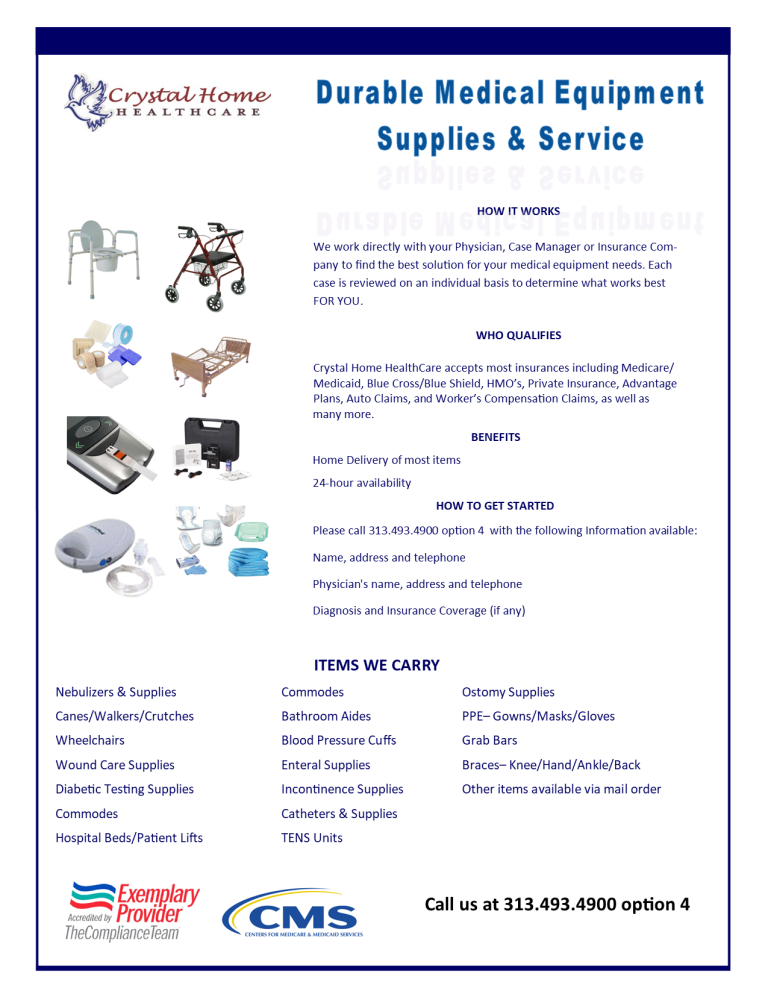
Medical Equipment \u2013 Crystal Home Health Care

Home health care is a growing sector of the healthcare industry, offering a valuable alternative to traditional institutional settings like hospitals and nursing homes. It provides a range of medical and non-medical services to individuals in the comfort and familiarity of their own homes. This article aims to provide a comprehensive understanding of home health care, covering its benefits, services offered, eligibility criteria, cost considerations, and how to choose the right provider.

What is Home Health Care?

Home health care encompasses a wide array of services designed to support individuals who are recovering from an illness or injury, managing a chronic condition, or require assistance with activities of daily living (ADLs). The primary goal is to enable individuals to maintain their independence and quality of life while receiving the necessary care in their preferred environment. It's not just for the elderly; people of all ages can benefit from home health care services.

Benefits of Home Health Care:

Choosing home health care offers numerous advantages over institutional care:

Comfort and Familiarity: Receiving care at home allows individuals to remain in a familiar and comfortable environment, surrounded by their personal belongings and loved ones. This can significantly reduce stress and anxiety, promoting a sense of well-being.

Personalized Care: Home health care is tailored to the individual's specific needs and preferences. Care plans are developed in collaboration with the patient, their family, and their physician, ensuring that the care provided is appropriate and effective.

Independence and Autonomy: Home health care helps individuals maintain their independence and autonomy by allowing them to remain in control of their daily routines and activities.

Cost-Effectiveness: In many cases, home health care can be more cost-effective than institutional care, particularly for individuals who require long-term care.

Family Involvement: Home health care allows family members to be actively involved in the care process, providing support and companionship to their loved ones.

Reduced Risk of Infection: Staying at home reduces the risk of exposure to infections that are common in hospitals and nursing homes.

Improved Outcomes: Studies have shown that home health care can lead to improved health outcomes, such as reduced hospital readmissions and faster recovery times.

Services Offered:

Home health care services are diverse and can be categorized into medical and non-medical assistance:

Skilled Nursing Care: This includes services provided by registered nurses (RNs) and licensed practical nurses (LPNs), such as medication administration, wound care, vital sign monitoring, disease management, and post-surgical care.

Physical Therapy: Physical therapists help individuals regain strength, mobility, and balance after an injury or illness. They develop exercise programs and provide assistive devices to improve functional abilities.

Occupational Therapy: Occupational therapists assist individuals with activities of daily living (ADLs), such as bathing, dressing, and eating. They help them adapt to their environment and develop strategies to maintain their independence.

Speech Therapy: Speech therapists help individuals with communication and swallowing difficulties. They provide exercises and strategies to improve speech, language, and cognitive skills.

Medical Social Services: Medical social workers provide emotional support, counseling, and resource assistance to patients and their families. If you have any concerns regarding where and ways to use sattva home health care services vadodara reviews - simply click the following internet site -, you could contact us at our web-page. They help them navigate the healthcare system and access community resources.

Home Health Aide Services: Home health aides provide assistance with personal care, such as bathing, dressing, and toileting. They also assist with light housekeeping, meal preparation, and transportation.

Homemaker Services: Homemakers provide assistance with household tasks, such as cleaning, laundry, and grocery shopping.

Companion Care: Companions provide companionship and emotional support to individuals who are lonely or isolated. They may also assist with errands and transportation.

Specialized Care: Some home health agencies offer specialized care for individuals with specific conditions, such as Alzheimer's disease, Parkinson's disease, or cancer. This may include specialized training for caregivers and access to specialized equipment.

Eligibility Criteria:

Eligibility for home health care services varies depending on the funding source and the specific agency. However, some common criteria include:

Need for Skilled Care: Individuals typically need to require skilled nursing care, physical therapy, occupational therapy, or speech therapy.

Physician's Order: A physician must order home health care services.

Homebound Status: Many funding sources require individuals to be homebound, meaning they have difficulty leaving their home without assistance. This doesn't necessarily mean they can't leave their home at all, but rather that leaving home requires a considerable and taxing effort.

Geographic Location: The individual must reside within the service area of the home health agency.

Cost Considerations:

The cost of home health care varies depending on the services required, the frequency of visits, and the geographic location. Common payment sources include:

Medicare: Medicare Part A and Part B cover certain home health care services for eligible individuals.

Medicaid: Medicaid covers home health care services for low-income individuals who meet certain eligibility requirements.

Private Insurance: Many private insurance plans cover home health care services.

Long-Term Care Insurance: Long-term care insurance policies can help cover the cost of home health care.

Out-of-Pocket Payments: Individuals may also pay for home health care services out of pocket.

Choosing the Right Home Health Care Provider:

Selecting the right home health care provider is crucial to ensuring quality care and a positive experience. Consider the following factors:

Accreditation: Choose an agency that is accredited by a reputable organization, such as The Joint Commission or the Community Health Accreditation Program (CHAP). Accreditation indicates that the agency meets certain quality standards.

Licensing: Ensure that the agency is licensed to operate in your state.

Services Offered: Make sure the agency offers the specific services you need.

Caregiver Qualifications: Inquire about the qualifications and training of the caregivers.

Care Plan Development: Ask how the agency develops care plans and involves the patient and family in the process.

Communication: Ensure that the agency has clear communication policies and procedures.

References: Ask for references from current or former clients.

Cost and Payment Options: Understand the agency's fees and payment options.

Compatibility: Meet with the agency's staff and caregivers to ensure that you feel comfortable with them.

Conclusion:

Home health care offers a valuable and increasingly popular option for individuals who need medical or non-medical assistance in the comfort of their own homes. By understanding the benefits, services offered, eligibility criteria, cost considerations, and how to choose the right provider, individuals and their families can make informed decisions about their care and ensure a positive and supportive experience. As the population ages and the demand for home-based care continues to grow, home health care will play an increasingly important role in the healthcare landscape.